- Environmentally friendly hardness
control device


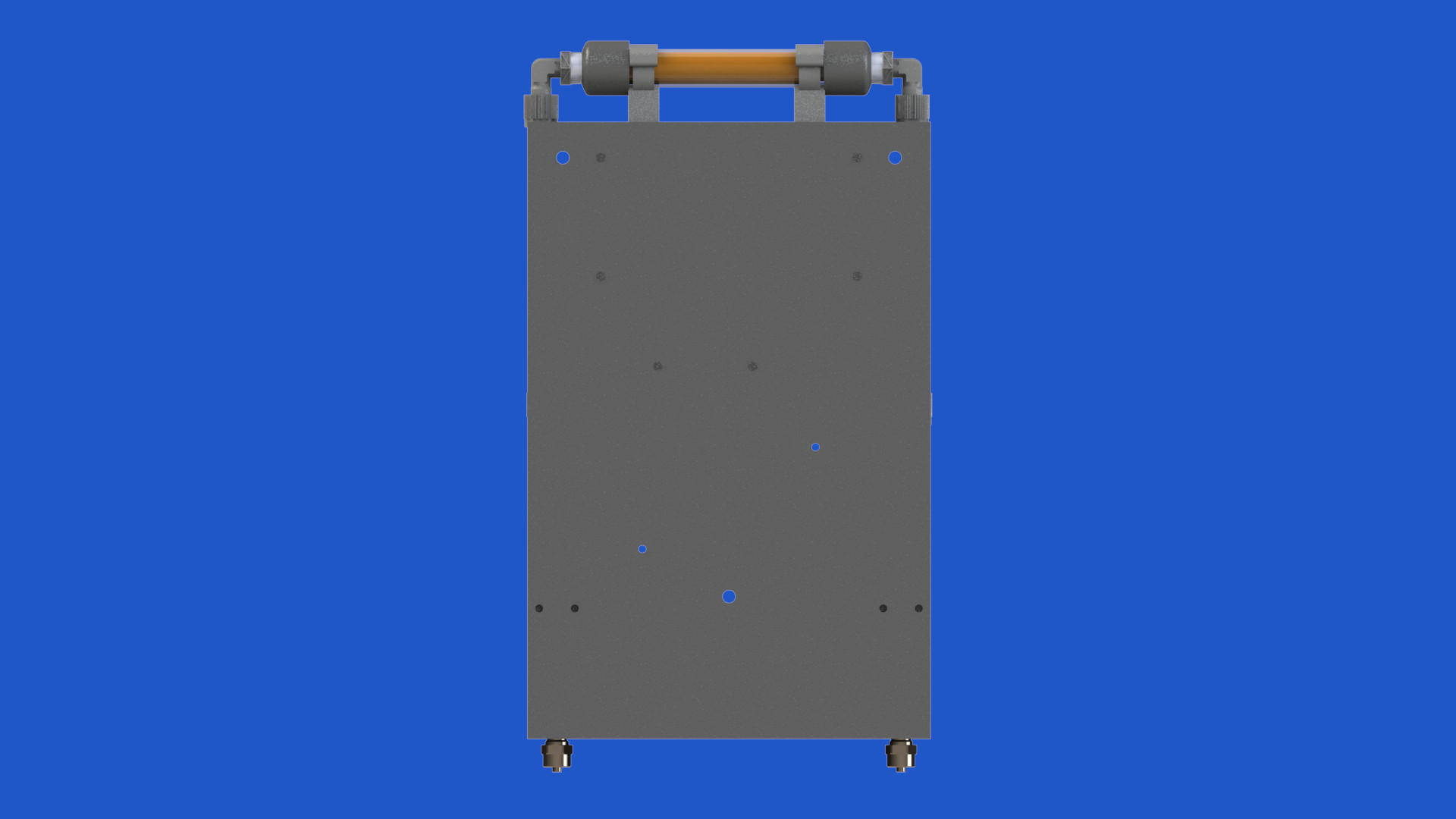
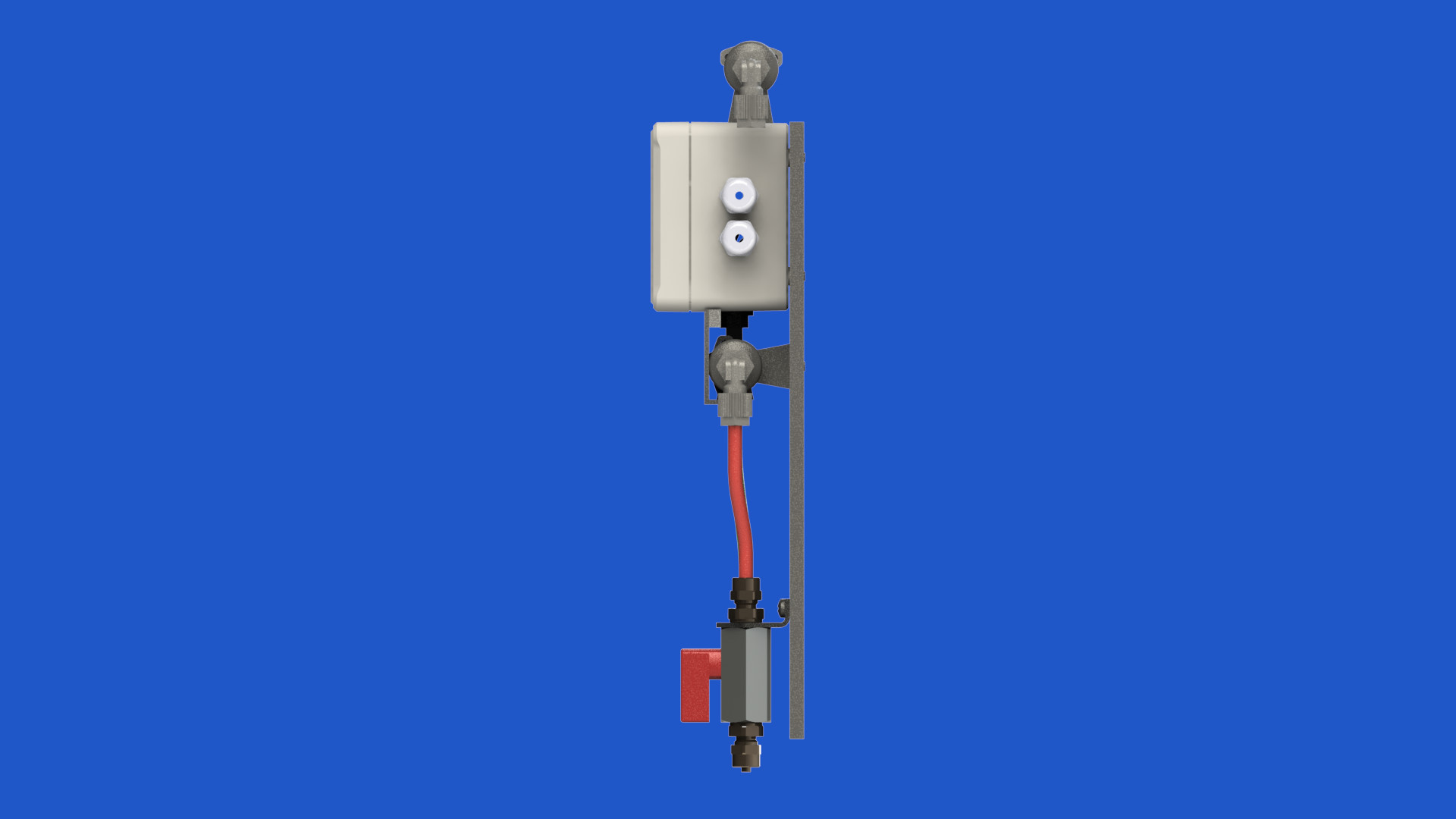
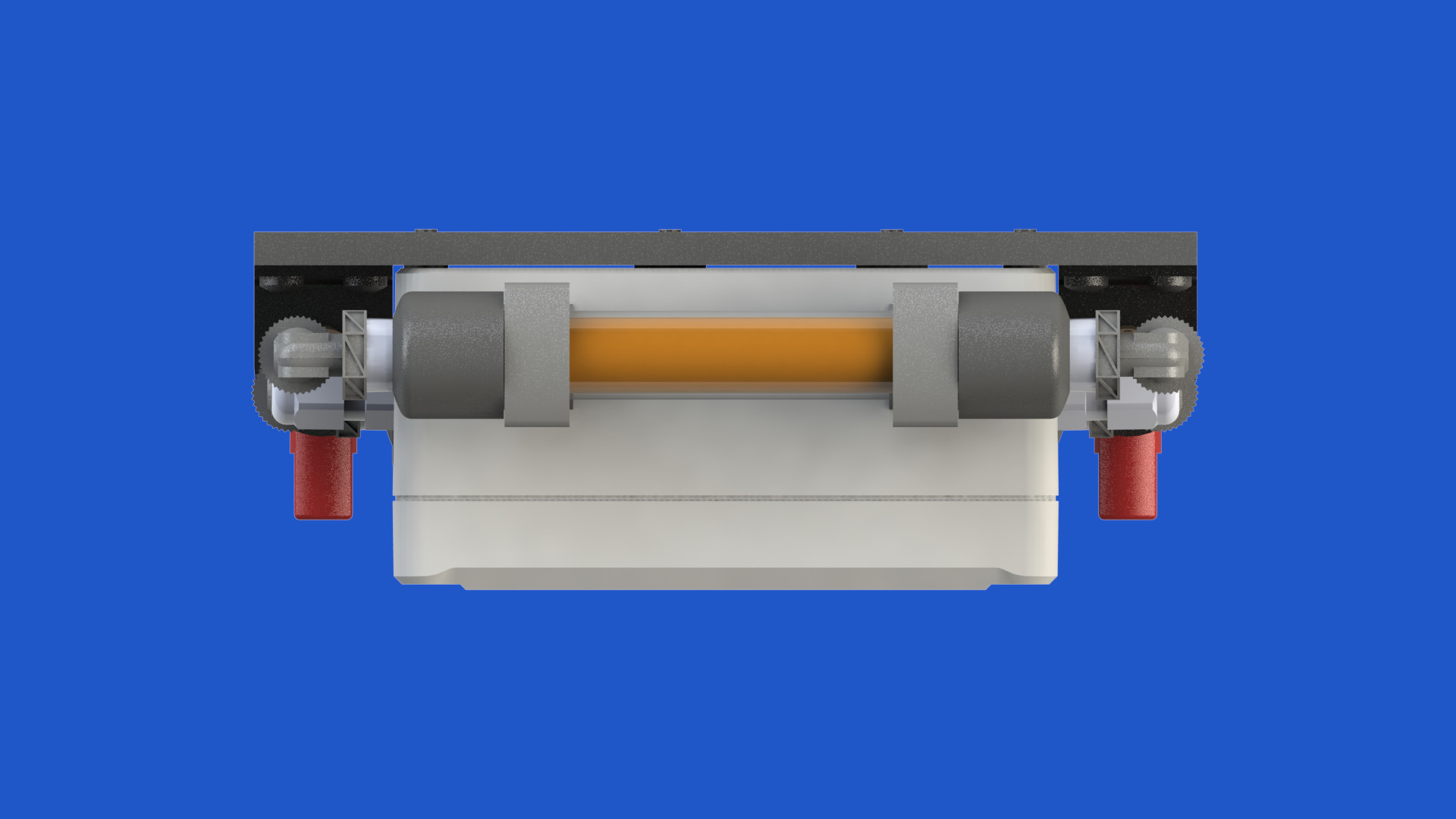
Usage
The hardness control devices in the Sensortest series are used to monitor for any hardness breakthrough after water softening systems.
Functionality
A differential pressure fitting is required to operate the device, which is installed in the softened water supply. The differential pressure generated by the softened water flow directs a partial flow of the softened water through a bypass via a special sensor cell and back into the softened water pipe. The sensor cell is filled with a special ion exchanger, which greatly reduces its volume when exposed to hard water. This property is used to change the position of a piston in the sensor cell. The change in position of the piston is registered by the optoelectronics of the sensor test device. The device then triggers an alarm message.
Once the cause of the hard water breakthrough has been eliminated, the depleted sensor cell is replaced with a measuring cell that is on standby.
The exhausted sensor cell can then be regenerated by the operator using brine and soft water. To do this, the supplied regeneration set is used to pump brine and then soft water through the sensor cell. The ion exchanger in the sensor cell returns to its original volume and the piston moves to its starting position. The freshly regenerated cell is stored with the device as a spare cell.
Depending on water hardness and flow rate, the response time from hardness breakthrough to triggering of the hard water alarm is between 15 minutes and 1 hour.
On request, the manufacturer's regeneration service can be used for the sensor cells.
Advantages
Environmentally friendly process without the use of chemicals
Self-monitoring optoelectronics
2 fault signal outputs
Acoustic signal transmitter
Scope of delivery
Sensor test ST-298-S3
Rain gear set